

From Filters to the age of AI photo editing: How AI Is Redefining the Mobile Photography Game
'Filters' - where mobile photo editing begins
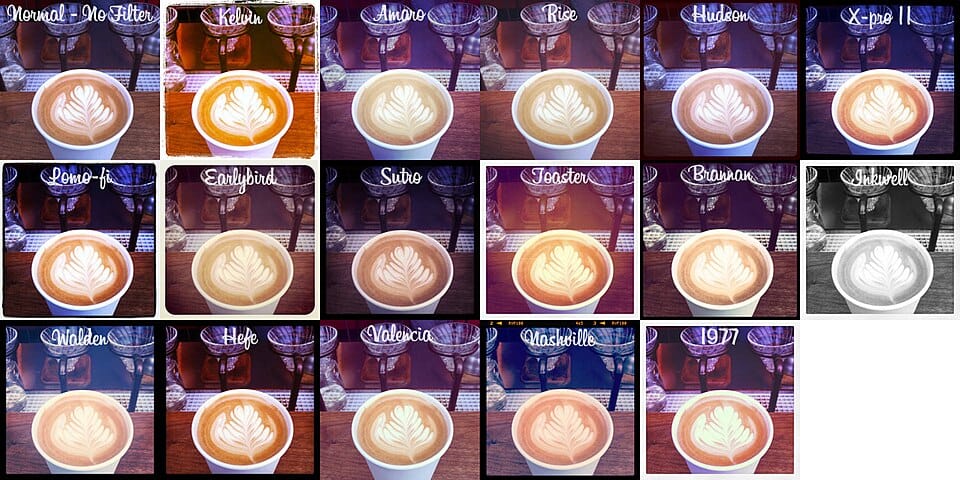
Now — we don’t know your age (we swear) — but we’d place a safe bet that you at least have heard of the golden age of Instagram filters, even if you might not have experienced them yourself. But just in case we’re already speaking a foreign language (hello Gen Alpha - and also - sorry!), let us briefly refresh your memory. Instagram launched way back in the heady days of 2010, and for a sweet, golden period, photo editing on your phone meant one thing; filters. Do the terms Valencia, Hefe, or X-Pro II ring any bells? For most extremely online millennials, these were mandatory steps you needed to walk through before posting online. But from a tech perspective, how did they actually work?
The Technical Side of Early Instagram Filters
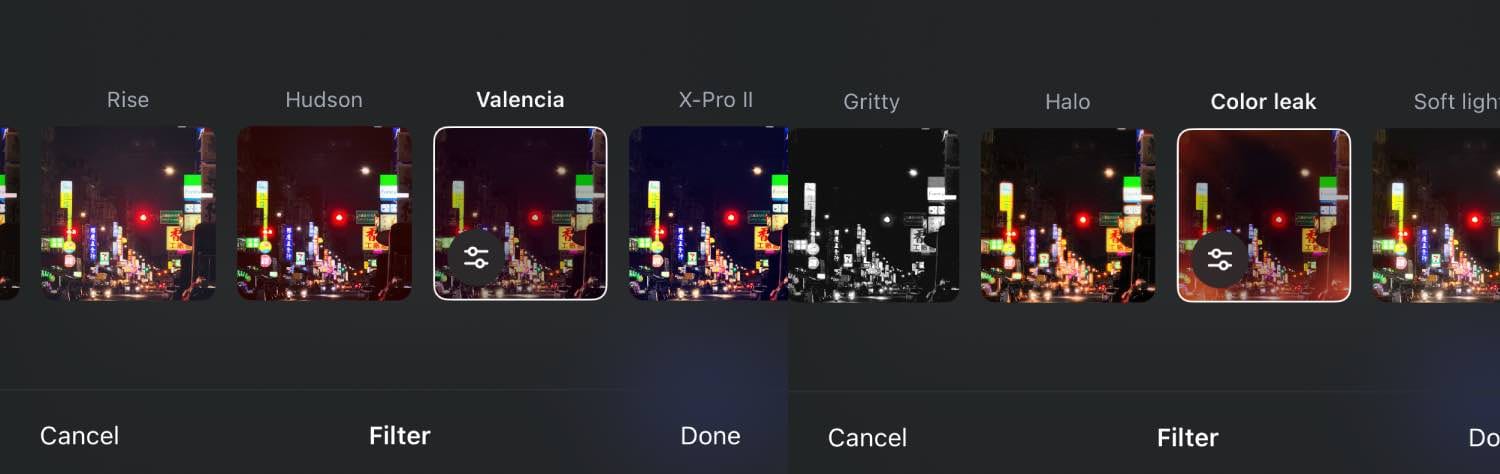
Back then, filters weren’t powered by AI, they were simple overlays. When you applied Valencia or Color leak, the Instagram app would adjust pixel values to change saturation, brightness, and hue across the entire image. Every filter was a pre-set formula, applied identically no matter the subject or lighting conditions. There was no analysis of what was in the photo; just a blanket effect. These early systems lacked the context and precision we now expect from AI photo editing.
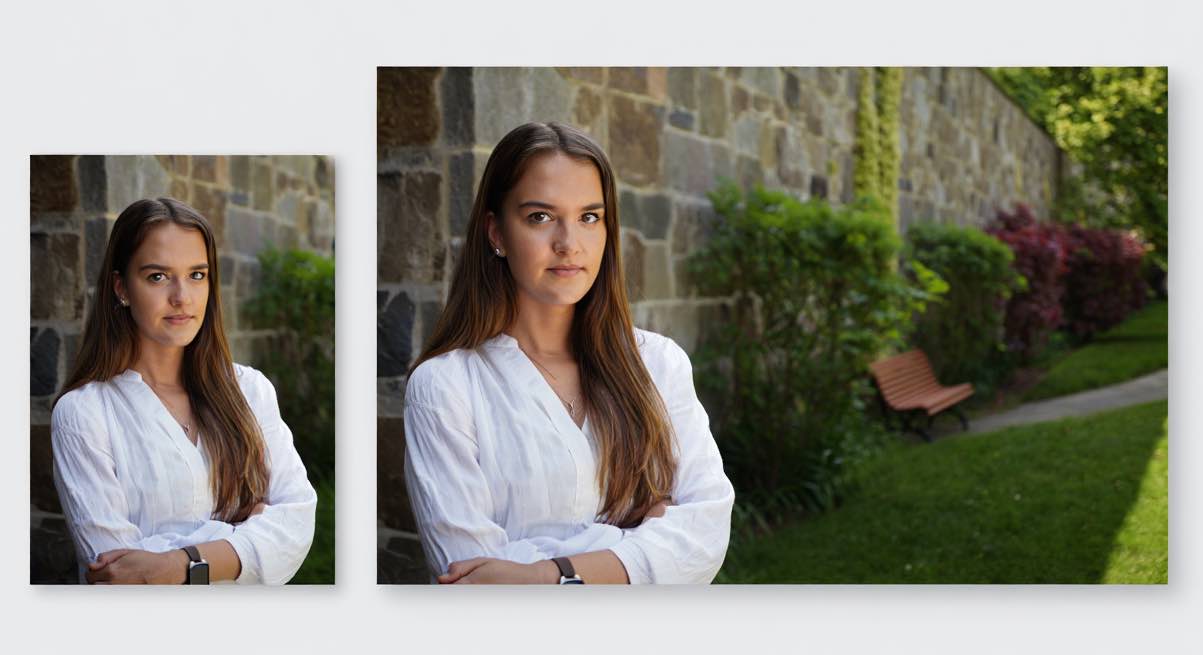
Fast-forward to today, and what we often, perhaps erroneously, call AI filters work entirely differently. Modern photo editing apps use machine learning to detect edges, subjects, and tones before applying enhancements selectively. Instead of tinting an entire image, an AI 'filter' might subtly brighten faces, deepen skies, and even expand photos beyond their original frame using a process called AI expand. This new approach makes edits feel more natural and compositionally sound... a far cry from the one-size-fits-all filters of Instagram’s early days.
As with all trends, that first wave of filters eventually died. Fast-forward to 2025, and if you find yourself posting a heavily filtered Valencia-style holiday pic or sepia-toned selfie, best case scenario, somebody might think you’re being… quaint. Though there’s undeniably a boom in nostalgia-driven edits these days, they tend to be more subtle. Think a deliberate reduction in quality, or even buying early 2000s “vintage” digital cameras on eBay to shoot your candid snaps that way.
@camerush.sg OBSESSED. #digitalcamera #digicam #fyp #trending
♬ original sound - 📼
Though the look changes, the underlying intention doesn’t. The most successful photo editing apps with loyal followings — think Tezza, PicsArt, VSCO — still offer an easy way to make snapshots look heightened, cinematic, intentional..... but most importantly, effortless.
The changes that AI photo editing is currently driving in mobile photography are far more nuanced. Photo editing has evolved from aesthetic manipulation to something more intelligent and context-aware: AI-assisted framing, composition, and enhancement.
Artificial intelligence, and especially generative AI, isn’t just changing how we edit; it’s transforming how we see. Today’s AI tools don’t simply apply effects; they analyze the individual photos lighting, depth, and subject placement to help photographers of all levels create balanced, striking images. This shift from filters to framing marks a new chapter in visual creativity and our consumption of content. In an ideal world, this looks like a scene where technology enhances artistic intuition... instead of replacing it.
The Evolution of Mobile Photography: From Filters to Fundamentals
Smartphone photography has always mirrored cultural and technological shifts.
- 2010–2015: Instagram’s golden age made filters a visual language. Vintage tones signified authenticity, high contrast suggested professionalism.
- 2016–2022: Editing matured. Mobile photographers embraced color grading, shadows, and minimal retouching. Enter the hashtag #nofilter - a brag that your photo didn't need a filter to shine.
- 2023–2025: A new era — AI as your personal photo assistant. Apps now understand your photo’s structure, subject, and style preferences rather than the “one size fits all” approach of earlier filters.
The trend away from filters reflects a broader desire for authenticity. Social platforms now favor storytelling over perfection, and viewers value realism more than glamour. With AI photo editing and particularly generative AI tools like Sora flooding the market, users have doubled down on this desire to know what’s real. Ironically, in the photo-editing space, AI has become one of the most efficient ways to achieve authenticity, helping photographers reveal the story already in the image rather than masking it behind digital effects or completely inventing it.
A respected AI-driven edit today is about subtlety: enhancing lighting to match the subject’s emotion, suggesting a tighter crop to draw focus, or adjusting color temperature to preserve mood. The magic lies in algorithms that understand the intention behind the image — something traditional filters could never do and, ultimately, the limitation that led to #nofilter and their downfall (or, at least, their consignment to your Facebook feed...)
How AI Understands Photography: Inside the Machine’s Eye
Behind every AI photo editor lies a kind of invisible critic; a model trained on millions of images to recognize, and replicate, what makes a picture really “hit.” Of course this is often extremely subjective, but there are still commonalities to be found in what people might call a 'quality image'.
The Language of Visuals
AI models interpret photos not as pixels but as data maps. They detect:
- Subjects: people, pets, landscapes, or products.
- Depth: layers of foreground and background.
- Balance: symmetry, empty space, and alignment.
- Emotion cues: faces, expressions, lighting tone, and color mood.
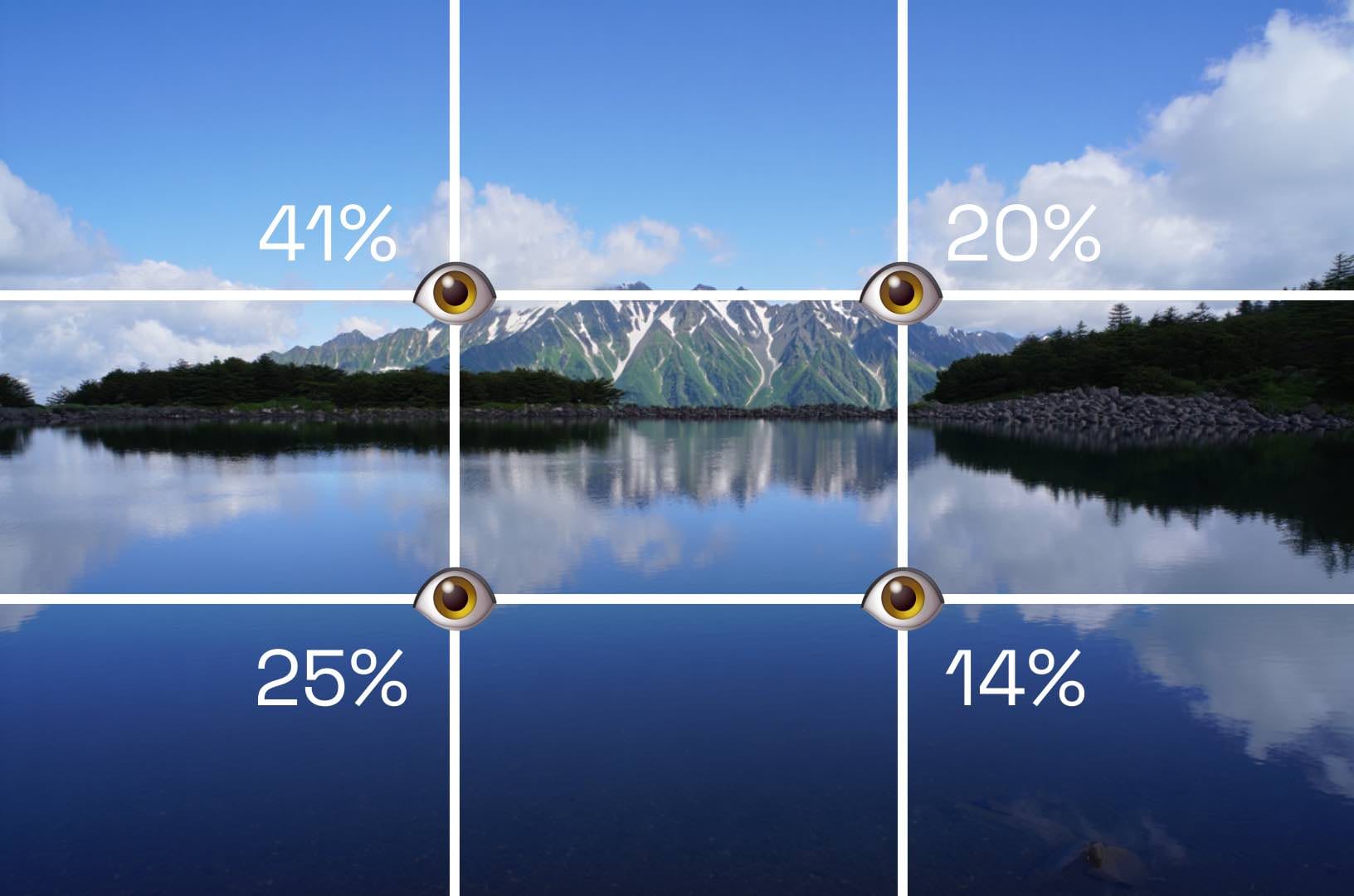
By analyzing these factors, AI systems can identify where the viewer’s eye is likely to land. This enables them to recommend better crops or framing; nudging users toward the kind of visual balance that seasoned photographers achieve intuitively.
A Learning Process
Modern AI editors rely on deep neural networks trained on vast photography datasets. Each image in the dataset is evaluated for qualities like clarity, focus, and aesthetic appeal. The AI learns statistical relationships between composition rules (like the rule of thirds or leading lines) and, in the most advanced cases, viewer preference.
When you upload a photo, the algorithm identifies its main subject, predicts how a human would frame it, and adjusts accordingly. The outcome isn’t a random crop, it’s a composition that fits established visual principles.
However, not all AI is made equal. The quality of an AI expand or recrop feature depends on the sophistication of its model and the data it’s been trained on. When it works well, this process is what enables AI photo editing tools to deliver results that feel purposeful, not mechanical or faked.
The Modern Mobile Photographer’s Toolkit
AI-powered photography isn’t limited to one app or brand; it’s a growing ecosystem of tools and is quickly becoming the norm. Here’s what defines today’s most effective photo editing apps, and a few leading examples helping to shape this trend.
What to Look For in an AI Photo Editor
- Smart Composition Analysis
Tools that automatically detect subjects and suggest framing improvements save time while improving visual outcomes. - Adaptive Lighting Correction
AI can recognize overexposure or shadow imbalance and subtly recalibrate contrast to match natural lighting. - Context-Aware Retouching
Instead of smoothing everything like in the early 'uncanny' days of AI editing, newer systems adjust only relevant regions — brightening eyes, clarifying skies, or sharpening texture. - AI Style Consistency
Many photographers develop a personal look. AI tools can learn your preferred style and apply it consistently across your gallery, saving you a ton of time.
Leading Apps in the Field
- BEAM: Focused on intelligent re-cropping and subtle retouches, BEAM’s cornerstone feature, AI expand, uses AI to expand photos with realism at the forefront. The app also offers a collection of inspiring creative templates for moments when inspiration isn’t striking.
- PicsArt: Renowned for creative versatility, PicsArt integrates AI filters, background replacement, and smart object detection, making it a hybrid of fun and precision.
- Remini: Specializes in restoration and clarity. Its AI upscaling tools breathe life into low-resolution images, perfect not only for mobile creators repurposing content but also for everyday users restoring treasured memories.
Together, these platforms (and many more) demonstrate the diversity of AI’s role in photography — enhancement, education, and accessibility.



The Future of AI in Mobile Photography
As AI photo editing continues to evolve, so too will its role in photography. There are bound to be countless debates and realignments ahead, but the direction is clear: we’re moving toward systems that understand intention rather than just content. Most importantly, we need to focus on creating tools that empower the creative rather than replace them.
What’s Next
- Real-Time Composition Coaching
Future cameras may suggest adjustments as you shoot, repositioning subjects or rebalancing exposure live. This is currently beyond most apps’ capabilities, but we expect to see more of it as AI computation moves on-device rather than relying on external APIs. - Generative Framing
Expect more of AI not only to expand photos but also to apply aesthetic rules like the rule of thirds automatically — creating perfectly harmonious images with minimal user input. - Personalized Aesthetic Profiles
High-end photo editors will soon learn your “creative fingerprint”, your preferred tones, angles, and styles, and apply them automatically to new shots, helping you build a consistent style faster.
A New Relationship Between Art and Technology
These developments signal a deeper transformation. Photography used to be about capturing a moment; now it’s about interpreting it. AI photo editing shouldn't diminish artistry - it should give creators new tools to refine their vision faster and with greater precision.
The ability to expand photos, enhance balance, and learn from AI-driven suggestions represents a new frontier for creativity. As the line between technical precision and artistic intuition blurs, one thing is clear: AI is no longer a novelty in photography — it’s the new foundation of modern visual storytelling.
Comments ()